
Spangled gamefowl colors form distinct patterns, while JILIQQ presents related match listings clearly. These markings change onscreen because lighting, distance, and movement affect visible details. This article guides players and members who need reliable identification points before reviewing events.
Spangled gamefowl colors and fundamental visual features
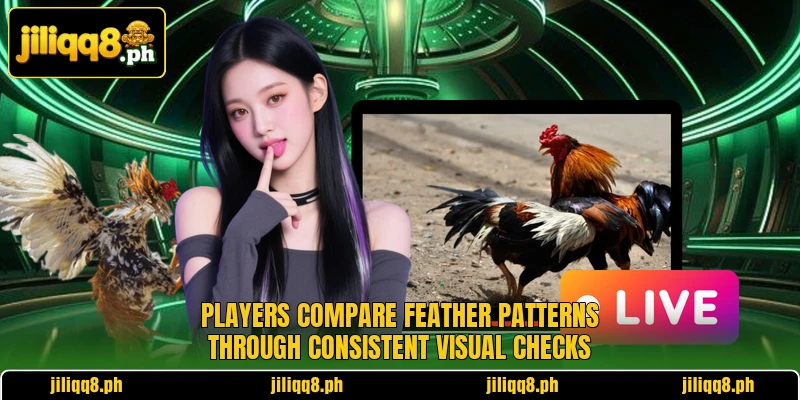
Spangled patterns combine a main shade with contrasting tips, so plumage appears dotted. Each bird shows different coverage, although necks, wings, and backs often display clearer marks. JILIQQ listings may include photos or streams, which help members compare visible traits.
Common bases include red, black, white, brown, and gray, while tipped feathers create contrast. Some birds show bright saddle points, whereas others carry smaller marks near wing edges. Spangled gamefowl colors describe a pattern group, rather than one fixed shade or bloodline.
Camera quality can soften markings, so players should compare several areas before deciding. Side views usually show feather borders, while front angles reveal chest coverage. Members should note stable traits across frames because moving light creates false patches.

Practical ways to assess visible feather patterns
Pattern reading becomes easier when members follow the same visual order during reviews. Each step should prioritize stable details, while temporary shadows receive less attention.
Reading spangled gamefowl colors accurately
Start with the dominant shade because that base controls how every tip appears. Dark foundations make pale edges clearer, while light plumage can hide small speckles. Players should compare neck and saddle areas because both often carry repeated markings.
Next, compare wing bars with back feathers because matching edges support consistency. Uneven brightness may come from streaming, while repeated shapes remain visible during movement. Members should avoid one paused frame because compression can create blocky spots.
Finally, inspect the tail boundary, although this area may show fewer details. Stable contrast separates patterns, while mixed coloring usually lacks repeated feather edges. Spangled gamefowl colors become easier to classify when several zones support one reading.
Checking illumination and camera angle
Overhead light can wash out pale tips, while side lighting increases contrast. Players should compare bright and shaded moments because true patterns remain structurally similar. Natural turning offers useful angles, although quick movement can blur narrow edges.
Camera distance matters because wide shots remove small details from neck and wings. Close views support checks, while medium frames show overall pattern distribution. Digital zoom enlarges pixels instead of plumage, so native footage carries more value.
Screen settings change color balance because warm displays strengthen red and brown tones. Members may reduce saturation while keeping brightness sufficient for dark feather borders. Spangled gamefowl colors should rely on repeated shapes because one vivid frame can mislead.
Comparing body zones carefully
Necks often show narrow contrast points, while backs usually carry broader marks. Players can compare both sections because related shapes suggest a unified appearance. Chest feathers may look plain remotely, although closer views reveal scattered tips.
Folded wings create lines resembling striping, so their coverage needs separate attention. Members should follow individual edges while avoiding assumptions from one dense patch. Repeated dotted borders support spangled gamefowl colors, whereas solid bands suggest another pattern.
Leg color does not define plumage, although it helps distinguish similar birds onscreen. Tail shape remains separate, while its shade supports an overall visual description. Notes should separate feathers, build, and equipment because each feature serves different needs.
View more: Gamefowl Leg Colors – Compare Common Leg Color Variations
Recording details prior to selection
Simple notes help members compare entries, while memory can mix similar colors. Players should record the base shade and tip contrast, while they note unclear camera issues. This format keeps observations consistent because each bird receives one visual checklist.
Screenshots support later review when rules allow them, although timestamps should remain visible. Players should compare different moments because one frame may contain glare or blur. Written labels work beside pictures, while short descriptions prevent unnecessary confusion.
Stake displays may use PHP or USD, but currency labels cannot confirm plumage. Members should verify event and bird numbers because similar colors can appear nearby. Clear records reduce selection errors, while visible patterns remain the main identification reference.
Common mistakes when examining match listings carefully
Several errors come from rushed viewing, while others result from unclear streams. Members improve accuracy when they separate confirmed markings from uncertain impressions.
Confusing spangled and speckled plumage
Spangled feathers show contrasting tips, while mottled plumage presents irregular surface patches. Players should find repeated edge patterns because random breaks suggest another appearance. Spangled gamefowl colors look organized across several regions, although coverage still varies.
One white patch cannot create a spangled pattern, while many tipped feathers can. Members should inspect distribution because isolated marks may come from dirt or lighting. Consistent neck and back borders provide stronger evidence because one bright shoulder can mislead.
Terminology differs between listings, although visible structure remains more reliable than casual labels. Players should treat names as references while checking footage for repeated feather tips. This method keeps classification practical because wording changes across streams or local groups.
Trusting one frozen image
Paused frames may sharpen one section, while compression distorts another body area. Members should review motion because genuine markings stay attached to the same feathers. Glare often shifts position, whereas real patterns move consistently with each bird.
Low-resolution images merge several tips into spots, while close footage separates them. Players can compare multiple timestamps because repeated evidence reduces digital noise mistakes. Spangled gamefowl colors remain recognizable across angles, although exact brightness may vary.
Still images help notes, but they should not replace a full visual check. Members should confirm bird numbers because reused thumbnails can create listing confusion. Careful review prevents mismatched selections while keeping attention on recorded information.
Mixing hue with performance assumptions
Feather appearance identifies a bird, but it cannot prove speed, strength, or outcome. Players should separate pattern recognition from expectations because color offers no reliable result. Spangled gamefowl colors describe plumage, while performance depends on unrelated factors.
Listing notes may include age, weight, or class, although each detail needs confirmation. Members should read every field because similar birds can carry different registration information. Visual identity supports correct selection, while official data confirms the intended entry.
PHP and USD values describe displayed stakes, whereas they cannot measure bird quality. Players should check currency and event numbers because confirmation locks the chosen action. Accurate review combines visual and listing details because neither source replaces the other.

View more Category: cockfight
Conclusion
Spangled gamefowl colors offer practical identification because repeated feather tips remain visible across photos and streams. Players can check details on JILIQQ, while keeping event numbers and currency labels separate. When ready, register or download the app, and may good luck follow every careful selection.